
Indonesia is an archipelago of more than 17,000 islands, where more than 300 ethnic groups live. Over the millennia, a multi-layered healing system has developed here, in which herbal medicine, massage, spiritual rituals and community support are intertwined into a single whole. Today, traditional medicine is not a museum exhibit, but a live practice followed by millions of people.
Introduction: medicine embedded in culture
In Western medicine, health is most often reduced to the absence of disease. In the Indonesian tradition, the concept of health is much broader: it is a state of harmony between body, mind, nature and spirit. This approach has deep roots in local philosophies, from the Javanese doctrine of balance panca mahabuta (five primary elements) to the Balinese concept of balance between forces kaja (mountain, spiritual world) and kelod (sea, material world).
Colonial influence from the Portuguese, Dutch, and Japanese could not displace traditional medicine — rather, it helped it adapt. In the 20th century, after independence, the Indonesian government began officially recognizing folk medicine, creating institutions and research programs.
"In Indonesia, there is no clear boundary between folk and scientific medicine. Patients move from one to the other, using what seems most effective to them"
Jamu: the living heritage of Javanese healers
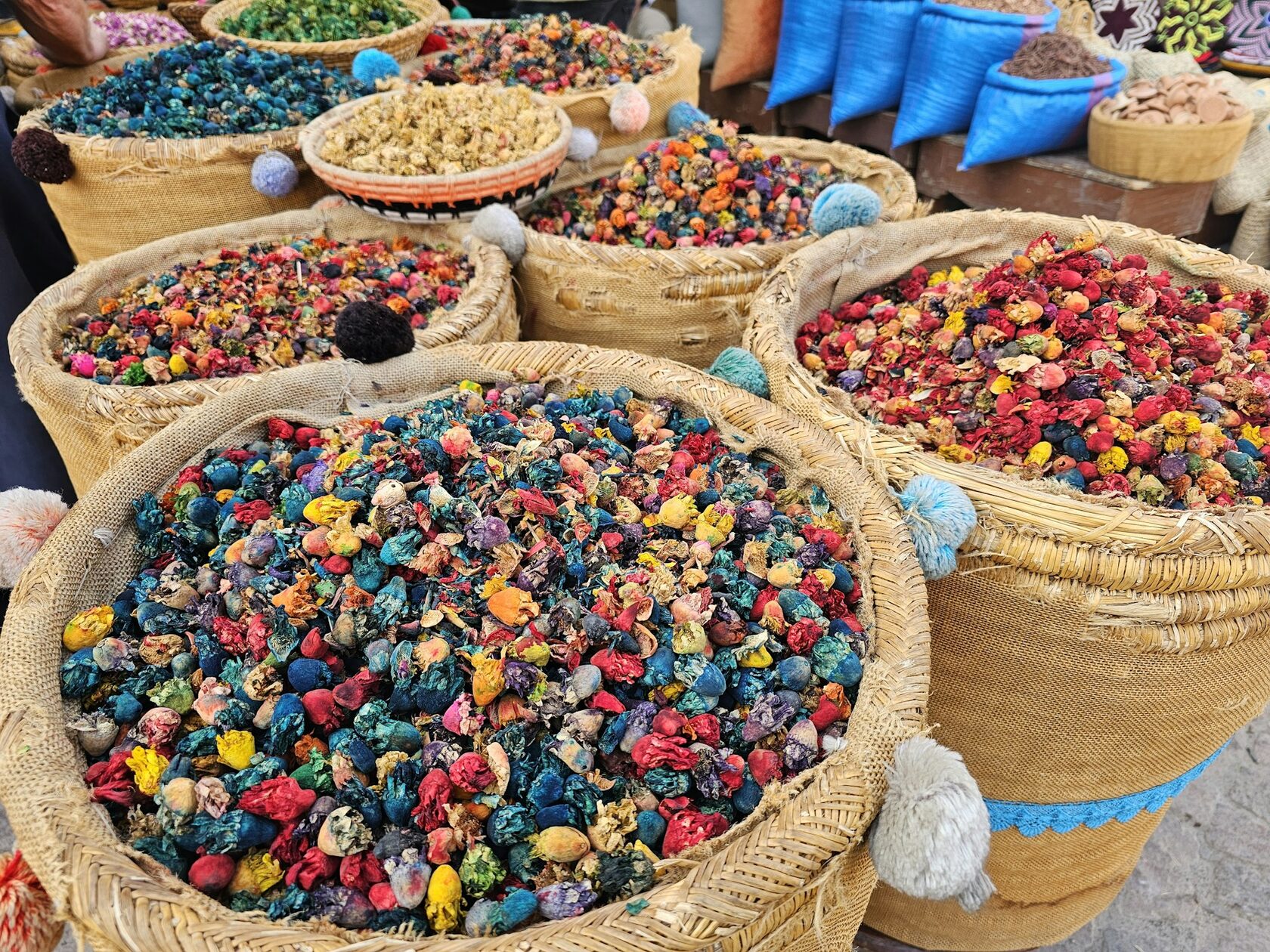
Spice market in Yogyakarta — here you can find dozens of ingredients for making jamu
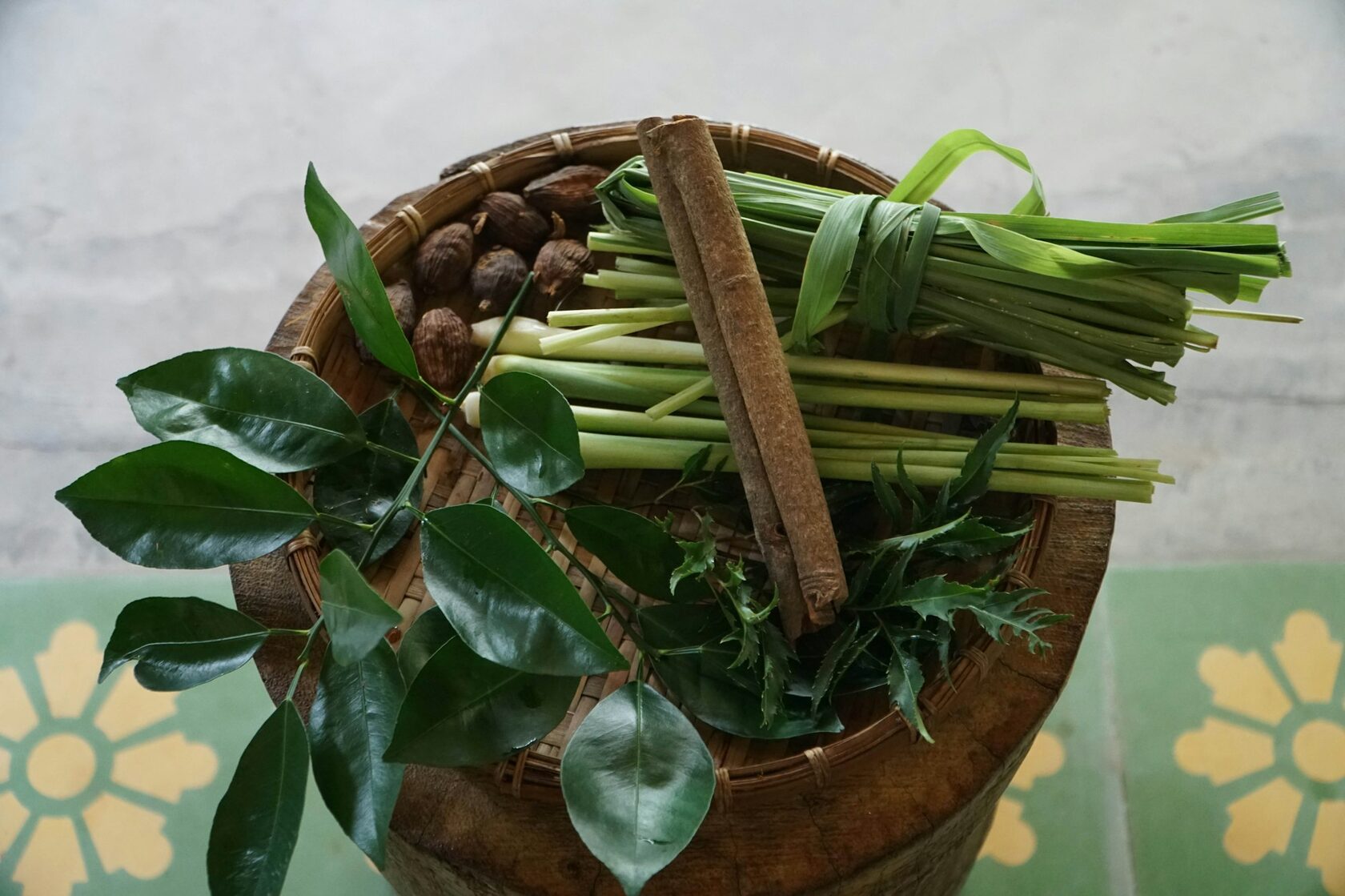
Jamu (from Javanese je ampuh — "strongman's medicine") are traditional herbal infusions, decoctions and powders made from roots, bark, leaves and flowers of plants. The basis of most recipes is turmeric, ginger, lemongrass, cinnamon and tamarind.
Making jamu is not just cooking. The preparation process is accompanied by certain rituals: the timing of ingredient gathering (preferably at dawn), the healer's intention and a specific order of adding components. Many recipes are passed down from generation to generation, from mother to daughter.
Main types of jamu
A drink made from turmeric and tamarind. Taken to improve digestion and cleanse the blood. Has a warm golden color and a pleasant tartness.
An infusion of rice and aromatic ginger (galangal). Has tonic properties, strengthens immunity and relieves fatigue.
A rub-on herbal mixture, applied to the skin. Used to relieve muscle pain and improve blood circulation.
Jamu sellers — mbok jamu — are a separate cultural phenomenon. They go around houses early in the morning, carrying a basket of bottles on their backs. Their appearance has become an inseparable element of the morning landscape of Javanese cities. According to the Ministry of Health, there are more than 26,000 small jamu producers in Indonesia.
Bafing and the healing power of touch
Bafing — a traditional Javanese massage practiced mainly for women after childbirth. The essence of the method is the intensive rubbing of oil (usually coconut with added herbs) into the abdomen, thighs and back with the aim of restoring body shape, improving blood flow and relieving pain.
The massage is performed by special practitioners — tukang pijat — who train under experienced mentors. In addition to the physical impact, bafing includes elements of energy work: it is believed that proper massage restores the free movement of angin (wind/energy) in the body.
"My great-grandmother used to say: 'When a child is born, the mother's world turns upside down. Bafing helps turn it back'"
Similar massage practices exist on other islands: lotuh in Sumatra, pisar in Bali. They are all united by a common idea: through touch, you can return to the body its lost balance.
Plant pharmacy: from turmeric to red galangal
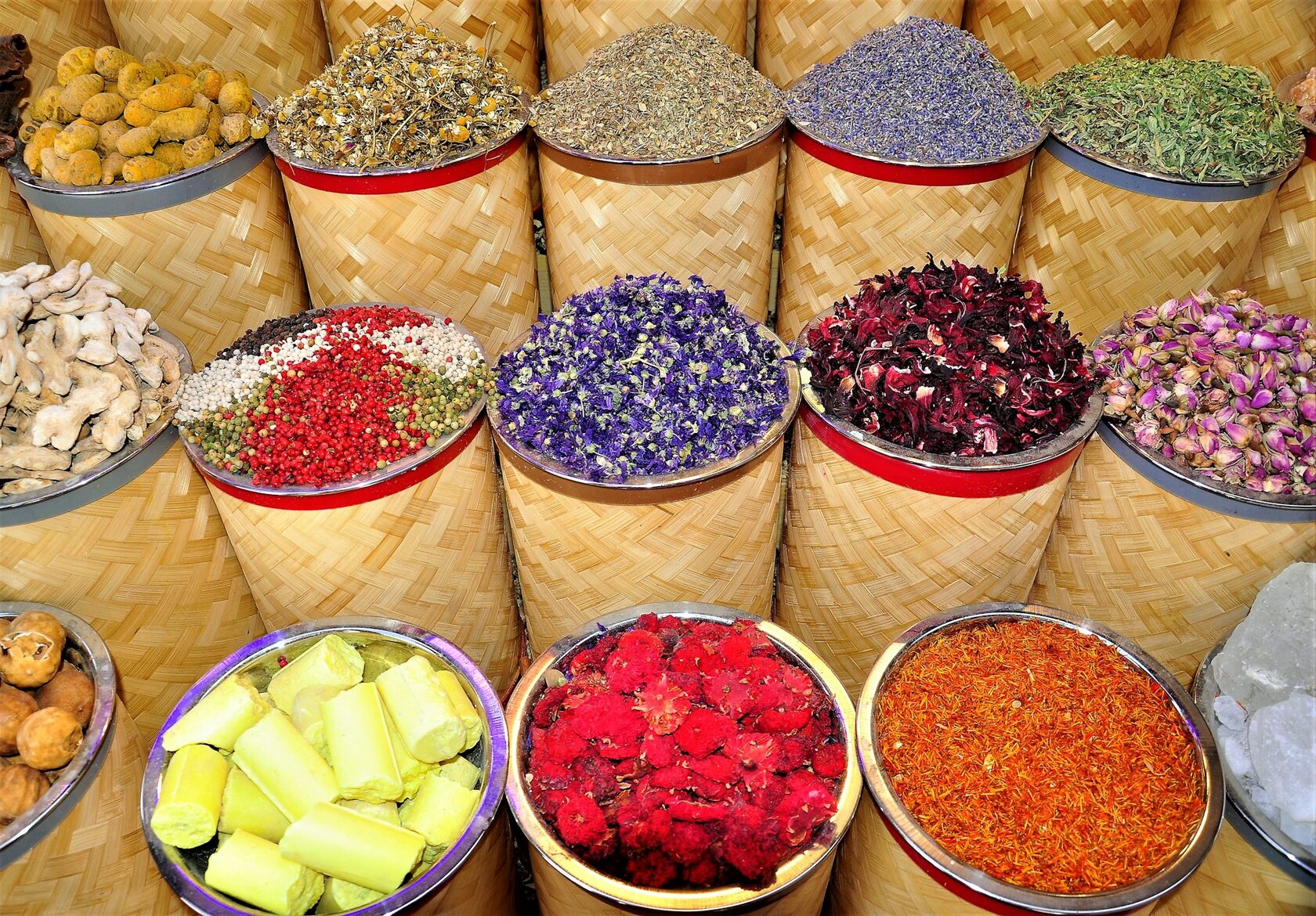
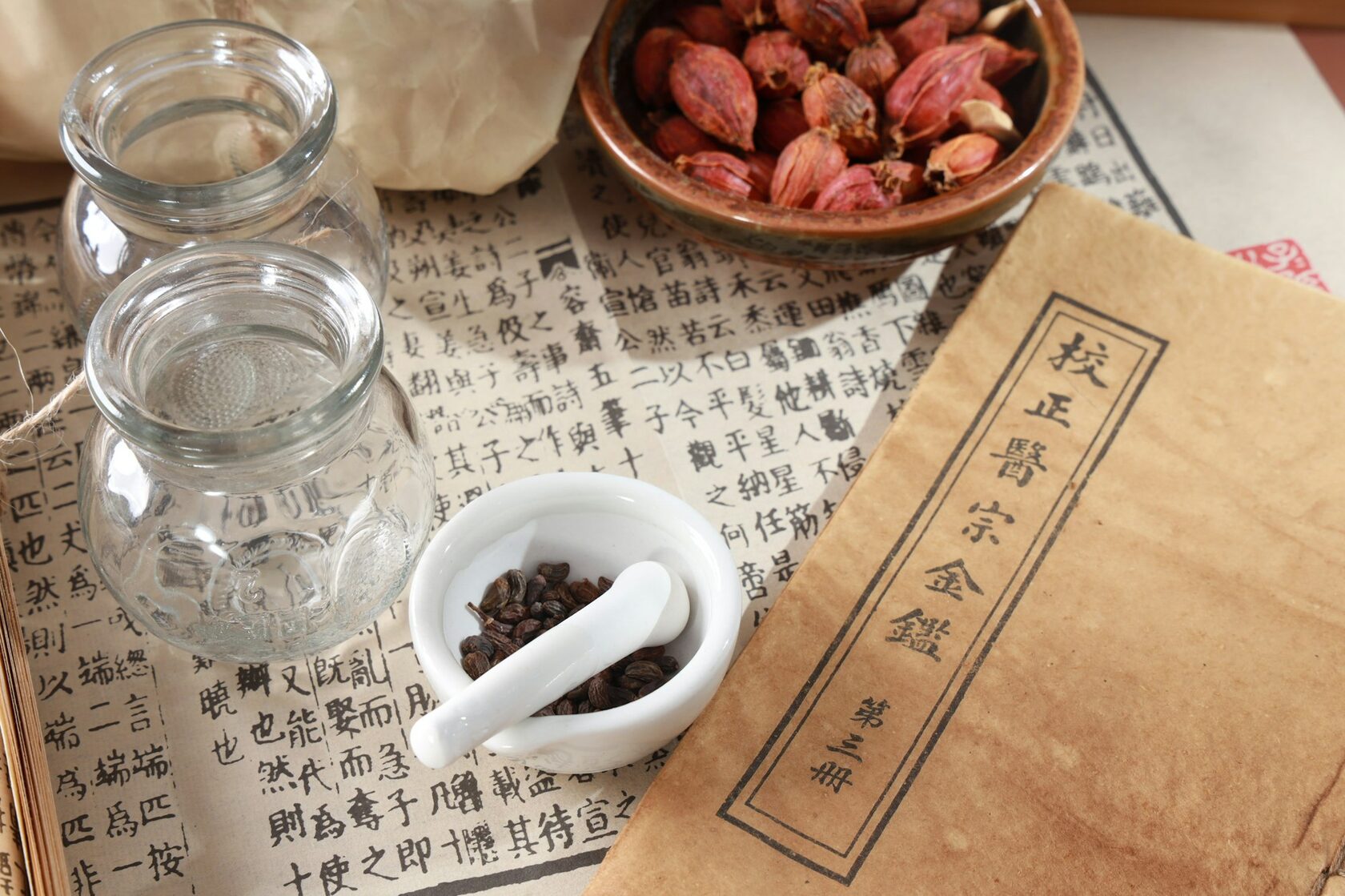
The Indonesian pharmacopoeia is striking in its diversity. Botanists estimate that more than 30,000 species of plants grow throughout the archipelago, of which about 7,000 are used in traditional medicine.
Key medicinal plants
Turmeric (Kunyit) — the foundation of most jamu recipes. Contains curcumin, which has anti-inflammatory and antioxidant properties. Modern research confirms the effectiveness of curcumin in inflammatory diseases and metabolic disorders.
Red galangal (Jahe Merah) — used as a painkiller and antipyretic. In Bali, it is added to ritual compositions for cleansing the energetic space.
Lemongrass (Serai) — used for colds, elevated temperature and digestive problems. Hot infusions are made from it and used in steam inhalations.
Noni (Mengkudu) — a fruit with a pungent odor that, despite its unpleasant taste, is valued for its ability to strengthen immunity and help with diabetes. Modern research has found antibacterial and anti-tumor compounds in noni.
Jamu — national heritage
In 2018, jamu was officially included in the list of intangible cultural heritage of Indonesia. Jamu production and sales generate annual income of more than 120 million dollars and employ hundreds of thousands of people throughout the country.
Spiritual dimension: dukun and prayer
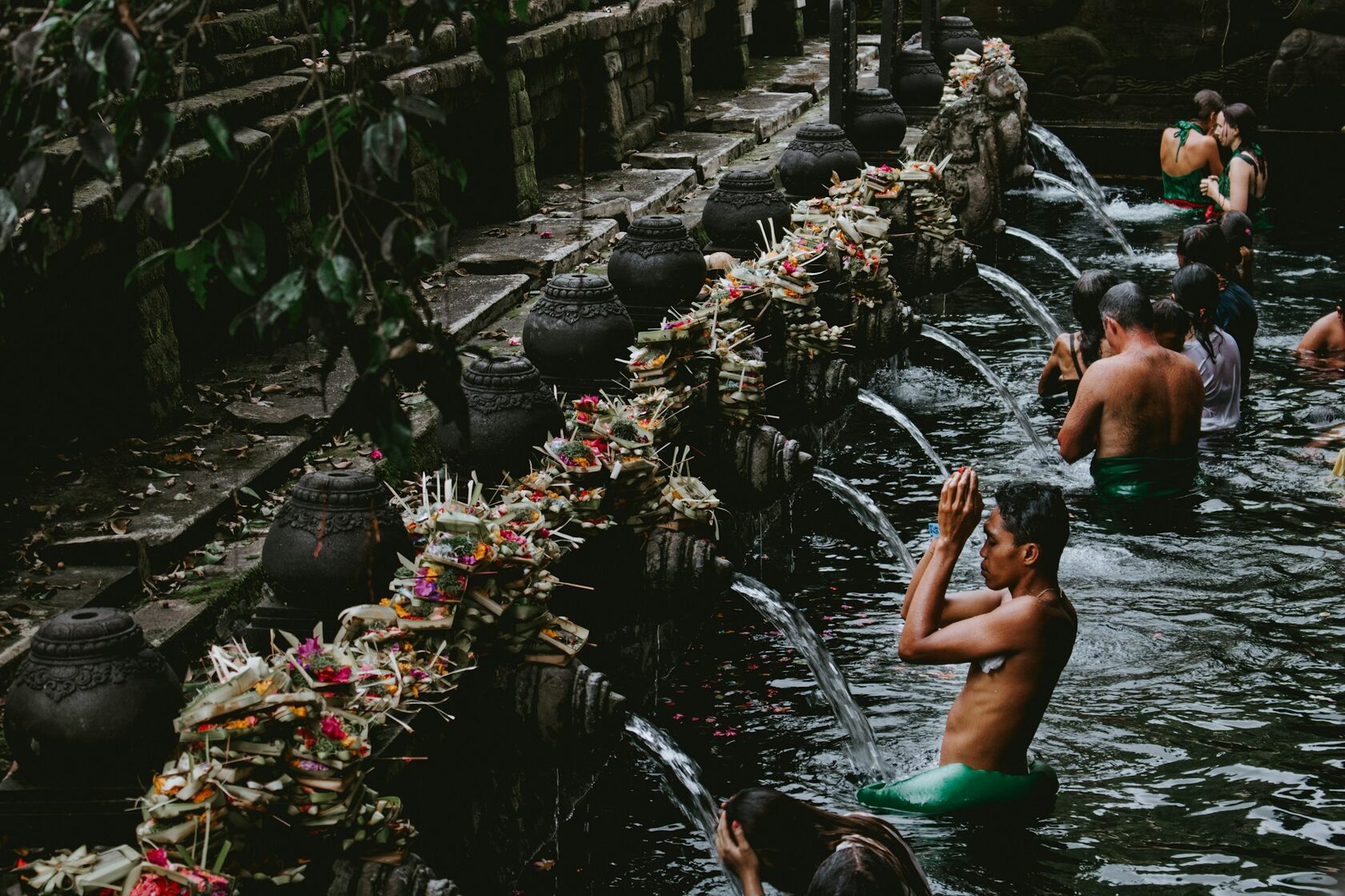
Healing ceremony in Bali: flowers, incense and prayers as part of the therapeutic process
Indonesian folk medicine is not limited to plant remedies and physical impact. A significant role in it is played by the spiritual dimension. The figure of the dukun (shaman, spiritual healer) is central to the traditional healthcare system of many communities.
The dukun performs functions that cannot be reduced to a doctor's work: he establishes a diagnosis (often through divine revelation), determines the cause of the illness (which may not be physical, but spiritual — for example, the action of sihir or a violation of taboos), prescribes treatment and conducts restoration rituals.
"When a person is ill, you need to ask not only 'what hurts?' but also 'who or what is disrupting harmony?' The dukun sees both sides — the physical and the invisible"
In Bali, the practice of Balinese healing is particularly well developed, based on Hindu cosmology. Rituals take place in temples and are accompanied by offerings (banten), chanting of mantras and the use of holy water. The healer uses hands, flowers, incense and prayers to restore balance between the microcosm (person) and the macrocosm (universe).
Modern science increasingly recognizes the therapeutic effect of such practices. Rituals create a powerful placebo effect, and the social support of the community participating in the ceremony reduces stress levels and accelerates recovery. This is not a substitute for medicine, but a psychological supplement to it.
The place of folk medicine in modern Indonesia
Today, Indonesia faces a complex challenge: how to preserve millennia-old traditions without giving up the benefits of modern medicine. The state has found the answer — integration.
In 1976, the Ministry of People's Health (BPPOM) was created, and in 2013, the agency BKPM (Bureau for Quality Control of Herbal and Traditional Medicines). The network of state hospitals RSUP includes departments where patients can receive both a doctor's consultation and recommendations on folk remedies.
The country's universities are developing the scientific study of traditional practices. Gadjah Mada University, the University of Indonesia and the Bogor Agricultural University conduct research on the pharmacological properties of Indonesian medicinal plants. The results are published in international journals and often confirm the effectiveness of what healers knew for centuries.
Numbers that speak for themselves
According to the WHO, up to 80% of the population of developing countries uses folk medicine as the primary source of healthcare. In Indonesia, this figure is even higher: according to the Ministry of Health, more than 70% of Indonesians have turned to traditional remedies at least once, and about 30% do so regularly.
Indonesian folk medicine is not just a set of recipes. It is a philosophy of life that teaches that health is not a gift, but the result of a conscious attitude toward one's body, environment and community. In a world where more and more people are seeking alternatives to machine medicine, Indonesian healing traditions offer the invaluable experience of millennia of observations, tested by time and lives.
Perhaps it is in this approach — where a herb is inseparable from prayer, and a healer's touch is indistinguishable from the touch of a friend — that lies the answer to many questions of modern medicine.
